 Rich's Paving San Rafael CA
Understanding the Factors That Lead to Asphalt Deterioration
Asphalt surfaces are a common choice for roads, parking lots, and driveways due to their durability. However, they often develop cracks that can compromise their integrity. These cracks not only affect the aesthetics but also pose safety risks. Understanding why these cracks occur is crucial in maintaining asphalt surfaces effectively. This guide explores common causes of asphalt cracks and offers practical tips on preventing them.
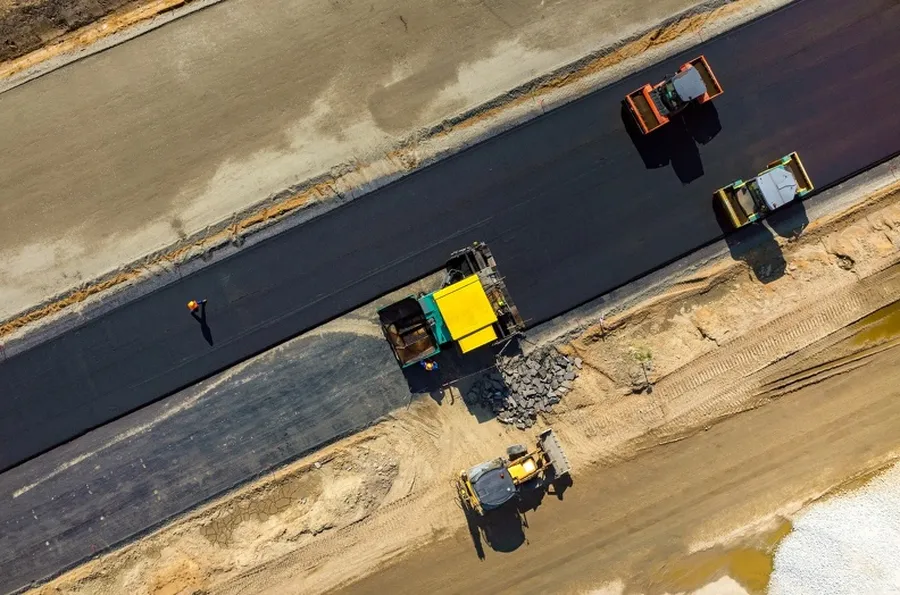
Temperature Fluctuations Can Damage Asphalt
One of the primary reasons asphalt develops cracks is temperature changes. Asphalt expands in heat and contracts in cold weather. This constant expansion and contraction weaken the surface over time. The repetitive stress from these temperature shifts causes cracks to form, especially during seasonal transitions.
The Impact of Water Infiltration
Water infiltration is another significant contributor to asphalt cracking. When water seeps into small openings in the asphalt, it can freeze and expand, leading to larger cracks. Over time, this process can seriously damage the pavement. Ensuring proper drainage and sealing existing cracks can help mitigate this issue.

Poor Installation Techniques
Inadequate installation practices during the initial laying of asphalt paving can lead to premature cracking. If the foundation is not properly prepared or compacted, the asphalt may settle unevenly and crack under pressure. It is essential to work with experienced professionals who adhere to industry standards when installing asphalt surfaces.
Heavy Traffic and Load Stress
Asphalt paving often faces the challenge of heavy traffic and load stress, particularly in commercial areas. Continuous pressure from vehicles can wear down the surface and create cracks over time. Designing pavements to withstand expected loads helps extend their lifespan and reduce maintenance needs.
Preventive Measures for Asphalt Maintenance
Regular maintenance is key to extending the life of asphalt surfaces. Implementing preventive measures can significantly reduce the likelihood of cracks. Here are some effective strategies:
- Sealcoating: Apply sealants to protect against water infiltration and UV rays.
- Crack Sealing: Address small cracks immediately before they grow larger.
- Proper Drainage: Ensure efficient water runoff to prevent pooling on asphalt surfaces.
- Scheduled Inspections: Regularly check asphalt conditions to identify potential issues early.
Best Practices for Quality Asphalt Installation
To avoid future problems, follow best practices for quality asphalt installation:
- Use high-quality materials that are suited for local climate conditions.
- Ensure a strong sub-base by adequately compacting the soil beneath the asphalt.
- Hire reputable contractors with experience in asphalt projects.
- Follow manufacturer guidelines for material usage and application processes.
- Monitor environmental factors like temperature during installation.
The Cost-Effectiveness of Proper Maintenance
While upfront investment in quality materials and professional installation might be higher, maintaining your asphalt correctly can save money long-term. Effective maintenance reduces repair costs and prolongs the surface’s lifespan, making it a cost-effective choice for property owners.
Your Partners for Long-Lasting Asphalt Solutions
If you’re facing challenges with asphalt surfaces, it’s important to take action promptly. Located in San Rafael, CA, our team at Rich's Paving San Rafael CA offers expert solutions tailored to meet your needs. We specialize in providing top-notch services that ensure your pavements last longer. Contact us today at (707) 763-7283 for more information and let us help you maintain durable and safe surfaces throughout the year.